

Uganda has sufficient fuel reserves and is unlikely to experience sharp price spikes like those seen in some countries due to the ongoing conflict involving Iran, the Minister of Energy and Mineral Development, Ruth Nankabirwa, has said.
Speaking amid growing concern over global oil supply disruptions, Nankabirwa said the government had already secured fuel shipments from alternative sources to ensure continued supply to the country.
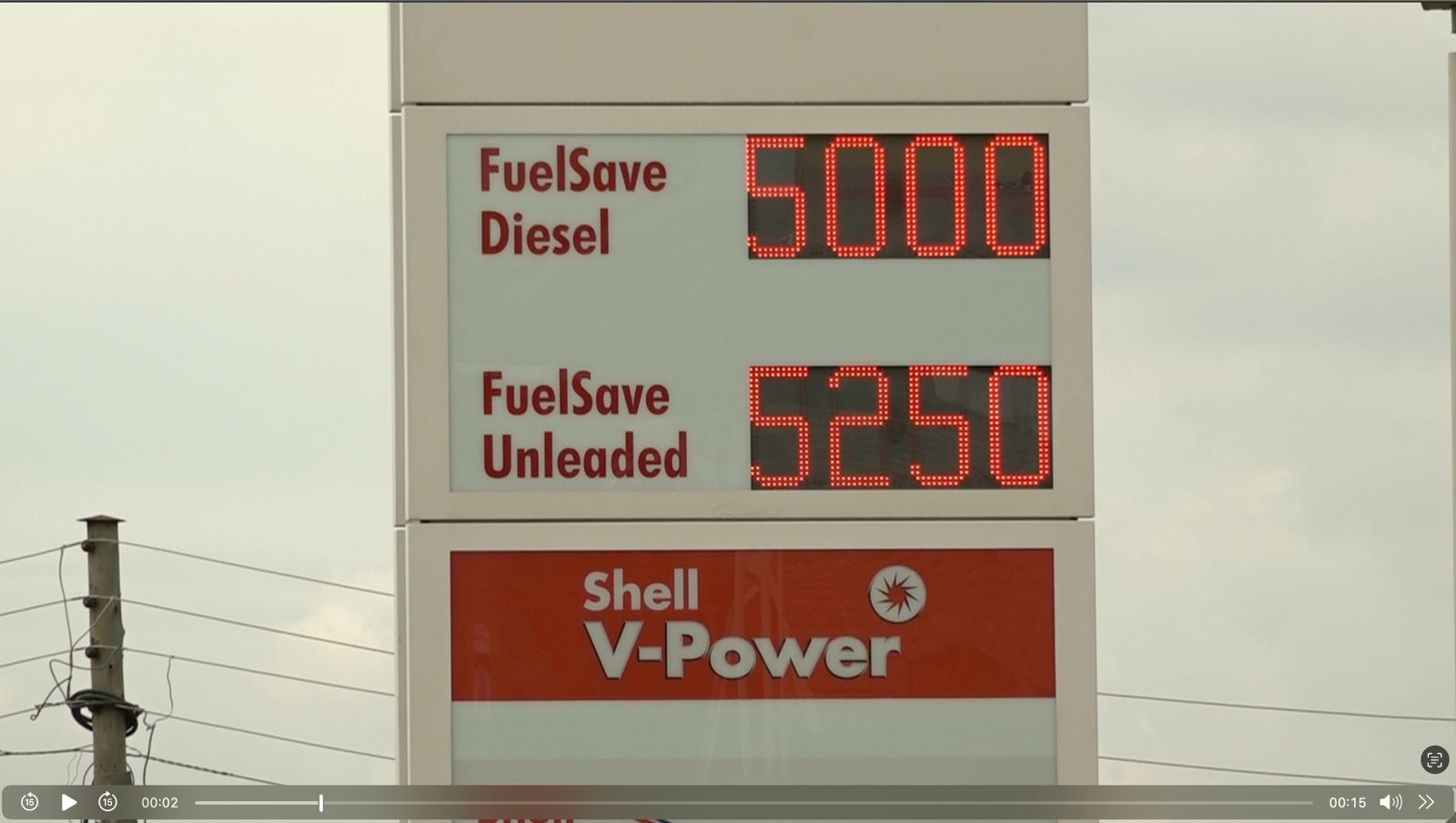
However, a survey at several fuel stations shows that pump prices have already increased from about Shs4,800–5,000 per litre to between Shs5,250 and Shs5,260 per litre.
Although transport operators feared prices could skyrocket as happened in the early months of the Russia-Ukraine War, the minister said this time the government, through the Uganda National Oil Company, had already taken precautionary measures.
“UNOC took a very good decision, guided by the President, to make sure that we get a partner who has the potential to source fuel from other places,” Nankabirwa said.
“I would like to use this opportunity to inform the country that Uganda is still stable as far as petroleum products are concerned.”
According to the minister, Uganda currently has enough petrol to last 26 days, diesel for 21 days, and aviation fuel for 40 days. She added that more shipments are expected soon.
“We are expecting 283 million litres of petrol and 183 million litres of diesel, which will take us for about 51 days,” she said.
Meanwhile, many countries that depend on oil shipments passing through the Strait of Hormuz, especially in Asia, have begun preparing for possible shortages if the Iran conflict escalates.
Energy analyst Dan Mushabe said the impact of any disruption would not only affect fuel prices but also other petroleum-based products.
“Products like cooking gas, fertiliser and plastics are by-products of petroleum, so they are also affected,” he said, noting that a significant portion of the world’s oil passes through the Strait of Hormuz.
He also explained that the strength of the US dollar, the main currency used in global oil trading, plays a major role in fuel pricing. A stronger dollar makes fuel imports more expensive and often leads to higher pump prices.
“When the dollar goes up and the international market is unstable, fuel dealers may increase prices of current stock in preparation for the higher cost of restocking,” he explained.
Government officials say there is currently no immediate justification for further fuel price increases this month.
However, if global oil prices remain high or rise further, the cost of transport and other goods and services is likely to increase.
